
"same ethiopia"
6000 article(s) found

Introduction to the method of describing the Grinding degree of Coffee Flavor in Xidamo Chiso producing area of Ethiopia
Production area: Sidamo varieties: Native Arabica treatment: washing flavor: moderate sweet and sour sun berry aroma, citrus aroma, slightly fermented fruit aroma, fruit wine flavor. Palate: comfortable and interesting sour fruit, good sweetness and low thickness. Roasting degree: medium-roasted Ethiopian coffee beans grow in a close to natural environment and grow in the same conditions for many years.

Ethiopian Coffee Manor Culture introduces Flavor
Coffee Culture Coffee beans in Ethiopia grow in close to the natural environment. After years of planting under the same growth conditions, Ethiopian coffee beans have gradually adapted to the environment here. More than 60% of coffee beans are grown in forests or semi-forests. Large-scale coffee-growing villages account for about 35% of the country's total coffee production.

Ethiopian Coffee Features Ethiopian Coffee Flavor Boutique Coffee
Ethiopian coffee beans grow in a near-natural environment. After years of cultivation under the same growing conditions, Ethiopian coffee beans have gradually adapted to the environment here. More than 60% of coffee beans are forest or semi-forest grown coffee. Coffee farming villages produce about 35 percent of the country's coffee. Many of these are used.
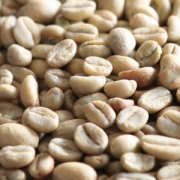
Boutique coffee beans Ethiopian peach coffee
Nekisse N2 L12 Ethiopia named the coffee after Nectar from Shakisso in 2009, meaning it has the same flavor as nectar from the town of Shachiso in Hidamo province, Ethiopia. Nekisse is characterized by a creamy and smooth taste, a strong berry sauce, and some batches even have mixed flavors of citrus and a variety of tropical fruits. Although at first,

Boutique African Coffee at kochere Manor, Yega Ficher, Yirgacheffe, Ethiopia
Yejaschuffe itself is a small town of about 20, 000 people, and the three neighboring producing areas, Wenago, Kochere and Gelena Abaya, are also classified as Yejasuffe because they produce coffee with almost the same flavor as Yejasuffe. Yejasuffe is similar to neighboring Sidamo in terms of culture and geography, but it seems to be more concerned about it.
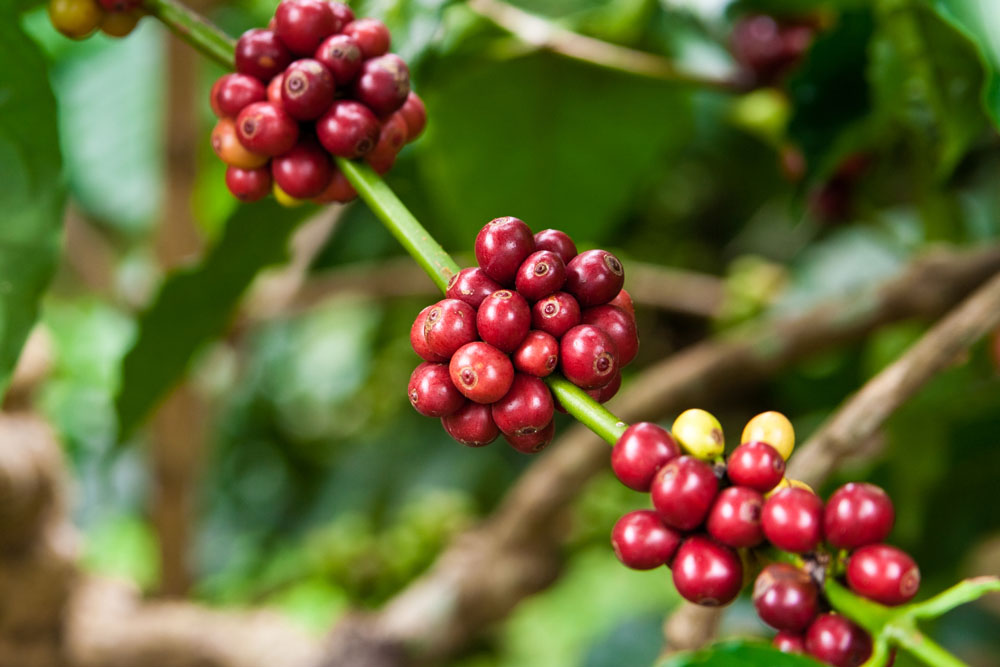
Honey kiss 90 + Essel nectar and berry flavor sun treatment
Nekisse N2 L12 Ethiopia Nekisse N2 Taste Profile Nekisse N2 Taste Profile got its name from Nectar from Shakisso in 2009, meaning it has the same flavor as nectar from Shaqiso Town, Hidamo Province, Ethiopia. Nekisse is characterized by a creamy, smooth taste and intense berries

What is indigenous coffee in Ethiopia? What is Ethiopian coffee?
Professional coffee knowledge exchange More coffee bean information Please pay attention to the coffee workshop (Weixin Official Accounts cafe_style) coffee diffusion, shuttle between the northern and southern hemispheres But its footprint in its birthplace is also quite delicate. Ethiopia is located in East Africa. Its territory is divided from southwest to north by the Great Rift Valley of Africa: the mountains in the west are believed to be the source of coffee; the mountains in the east are believed to be the source of coffee;

Introduction to the flavor and taste characteristics of sun-cured coffee beans in Starbucks Haier Manor, Ethiopia
Professional coffee knowledge exchange more coffee bean information please follow the coffee workshop (Wechat official account cafe_style) sunshine discipline, effort and commitment of Haier Manor in Ethiopia. The same principle made Helge Bousselassie a world champion and a world-class coffee farm owner. After retiring from long-distance running, Haier diverted his attention, but not his professionalism.
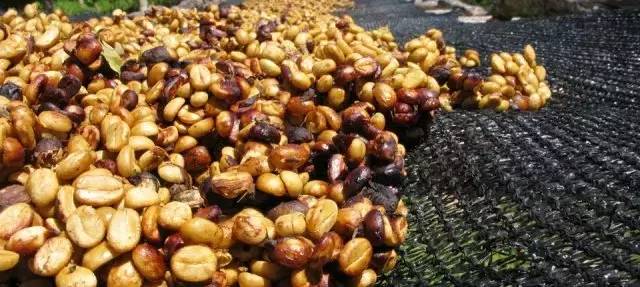
Introduction of Royal Coffee Coffee in Sidamo, Ethiopia
We are about to open a new door to Ethiopia in Africa, which is the hometown of coffee all over the world. The coffee here has a sweet smell of flowers, which is unforgettable. Chichu washing treatment plant is located in Gedeo area of Yegashefi, which belongs to Sidamo University.

Introduction of Coffee Bean Flavor description Grinding scale Variety production area in Cochell Manor, Ethiopia
Ethiopia Cochel Manor Coffee Bean Flavor description Grinding scale Variety production area Yejaschuffe itself is a small town of about 20, 000 people, with three neighboring small producing areas of Wenago, Kochere and Gelena Abaya, because the flavor of the coffee produced is almost the same as that of Yejasuffe, so it is also classified into the Yejaschafe area. Yega snow caffeine, whether it's Wen.

Introduction and description of flavor and taste characteristics of sun-cured coffee beans in Haramasala region of Ethiopia
Professional barista exchanges please follow the coffee workshop (Wechat official account qianjiecoffee) Ethiopia is the country where coffee was first discovered, in terms of coffee quality and output, Ethiopia is still the most important producing country and the best, coffee is mostly the traditional Arabica species, the annual output is about 350000 tons and more than 70% are exported to countries around the world, about 15 million people in the country are engaged in coffee

Brief introduction of Coffee name and Brand on Coffee Packaging
The place name of the country: the place where coffee is produced. For example, Ethiopia. Harald revealed that the product was produced in Harald, Ethiopia. What needs to be noted here is that the name of the country is the same, but when the region and year are different, the quality of coffee is different, and the taste of coffee can not be guaranteed to be consistent. Port of export: the port of export of coffee. The coffee of different origin and brand is the same.
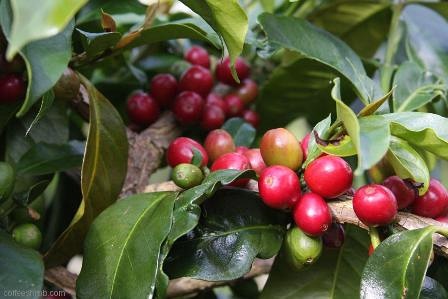
There are several ways to make coffee beans from Yega Fischer kochere coffee beans in Ethiopia.
Choose fresh coffee beans. When buying, pay attention to whether the color of the beans and the size of the particles are the same. Good coffee beans are shiny and have a strong aroma without being mixed with peculiar smell. No matter what kind of coffee beans, freshness is an important factor affecting the quality. When shopping, grab one or two coffee beans and chew them in your mouth with crisp sound (indicating that the coffee is not damp) and teeth and cheeks.

Introduction of Ethiopian Coffee Flavor and Fine Coffee
Ethiopian coffee beans grow in close to the natural environment, after years of planting under the same growth conditions, Ethiopian coffee beans have gradually adapted to the environment here. More than 60% of coffee beans are grown in forests or semi-forests. Large-scale coffee-growing villages account for about 35% of the country's total coffee production. Many of these are used.

Introduction to the growing environment of Ethiopian coffee
Ethiopian coffee beans grow in close to the natural environment, after years of planting under the same growth conditions, Ethiopian coffee beans have gradually adapted to the environment here. More than 60% of coffee beans are grown in forests or semi-forests. Large-scale coffee-growing villages account for about 35% of the country's total coffee production. Many of these are used.

Introduction to the manor in the flavor and taste area of Ethiopian boutique coffee beans
Ethiopian coffee beans grow in close to the natural environment, after years of planting under the same growth conditions, Ethiopian coffee beans have gradually adapted to the environment here. More than 60% of coffee beans are grown in forests or semi-forests. Large-scale coffee-growing villages account for about 35% of the country's total coffee production. Many of these are used.

Gimbi Kinby producing area of Ethiopia | Native species of Queen Queen Sheba of Sheba
Professional coffee knowledge exchange more coffee bean information please follow the coffee workshop (Wechat official account cafe_style) Ethiopia Gimbi producing area | Sun Sheba Queen Queen Sheba local native species flavor? According to the Old Testament Bible and the Koran, Queen of Sheba (Queen Sheba) was the ruler of the kingdom of Sheba at the same time as King Solomon. At that time, it was powerful and powerful.

How should the coffee be roasted? What are the characteristics of Ye Jia Xuefei coffee
For more information on coffee beans, please follow the coffee workshop (Wechat official account cafe_style) Ethiopia is the birthplace of Arabica coffee beans and the country where coffee was first discovered. There are still many wild coffee varieties in the primeval forest of Kaffa. The first impression of Ethiopia is usually poverty, backwardness and hunger, without history.

How many kinds of coffee beans are there in Ethiopia? Yega snow caffeine Gediyo
Even the official research unit of Ethiopia does not know how many Arabica subspecies there are in Ethiopia. The coffee cooperatives in this mountain are certainly different from those planted in another mountain, and even small farmers in the same region grow different varieties of coffee. It has been estimated that there are at least 2000 varieties of Ethiopian coffee and even more than 4500 kinds of coffee. Compared to the southern neighbor Ken

Yelga Shefi Chelba Charoba G3 Sun-baked Yelga Shefi Flavor Features
Professional coffee knowledge exchange More coffee bean information Please pay attention to coffee workshop (Weixin Official Accounts cafe_style) Ethiopia is the first country to discover coffee. Ethiopia is still the most important producing country and the best in coffee quality and output. Most coffee is traditional Arabica, with an annual output of about 350,000 tons and more than 70% exported to countries all over the world. About 15% of the country